Tropicana Favicon

Schedule an appointment

Complete the form and one of our assistants will contact you to coordinate your appointment at our medical center.


Functional orthopedics

Functional Orthopedics

What is Functional Orthopedics?

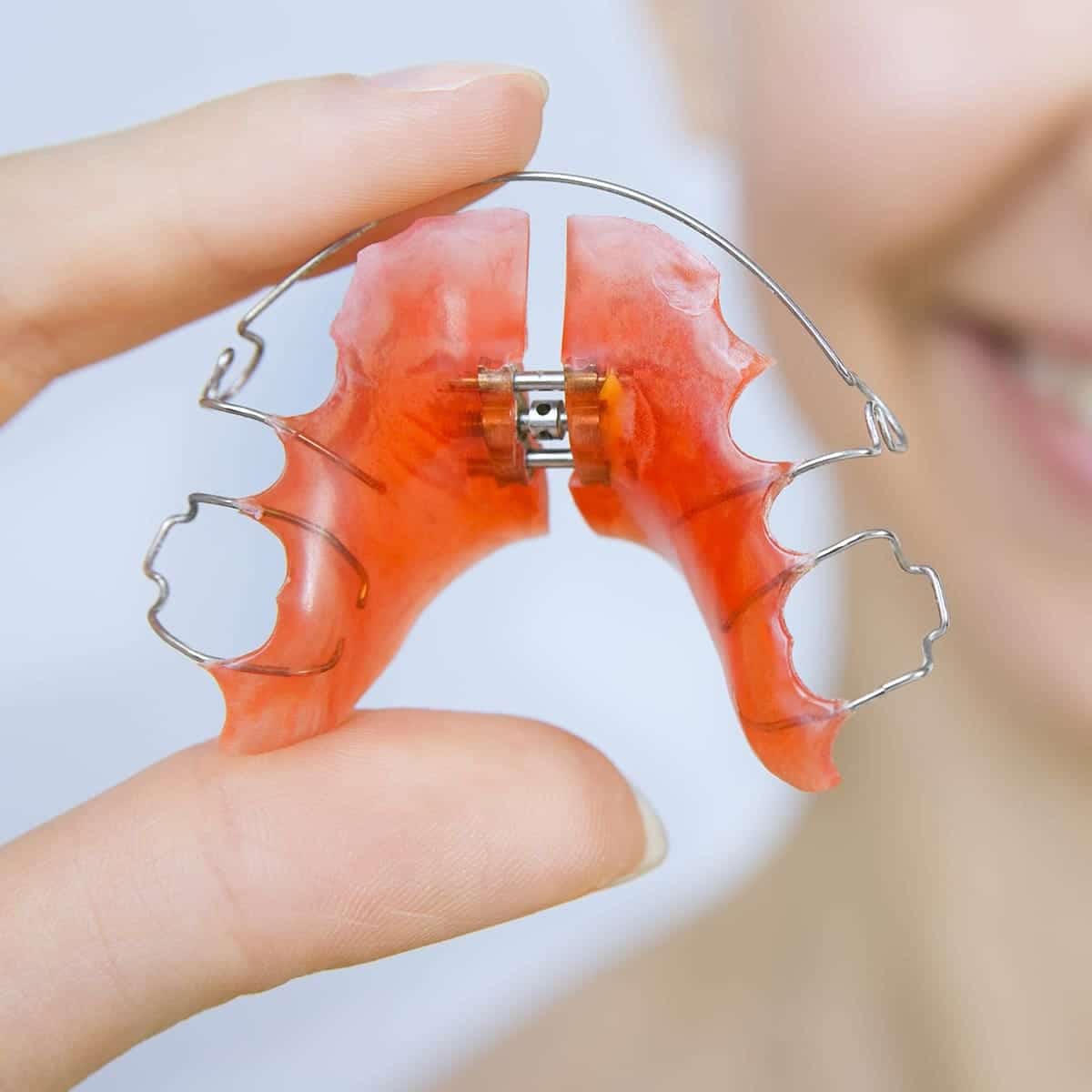
Orthodontic dental appliances are devices that use the individual's own biological muscle forces to generate orthodontic movements and adjust the skeletal position of the jaws and teeth. These appliances are designed to exert their action on the musculature and bones, achieving a better alignment of the bone bases and an optimal dental position.

With the use of this type of functional orthopedic appliances, it is possible to change the location of some dental pieces and even modify the basal bones. Resorting to this type of treatment at an early age is undoubtedly of great importance to avoid and correct possible dental deformities in our children.

Benefits of Functional Orthopedic Appliances

With the use of functional orthopedic appliances, it is possible to change the location of some dental pieces and even modify the basal bones. This type of treatment offers numerous benefits, among them:

  • Early correction of deformities: Ideal for preventing and correcting dental deformities in children.
  • Bone and dental alignment: Improves the leveling of the bone bases and the position of the teeth.
  • Non-invasive treatment: Uses the body's natural forces to effect significant changes.

Importance of Functional Orthopedics in Children

Resorting to functional orthopedic treatments at an early age is of great importance to prevent and correct possible dental deformities in our children. These appliances not only improve dental esthetics, but also contribute to the correct skeletal and muscular development.

Functional Orthopedic Appliance Treatment Process

  1. Initial Evaluation: A functional orthopedic specialist evaluates the patient's specific needs.
  2. Customized Appliance Design: A customized appliance is made to exert the appropriate force on muscles and bones.
  3. Monitoring and Adjustments: Periodic reviews are conducted to ensure progress and make necessary adjustments.

Expected Results

Appliance treatment not only improves dental alignment, but also contributes to better facial and skeletal development. The results include a more esthetic smile and improved chewing function.

At Tropicana Medical Center, we are committed to your dental health and the well-being of your children. Our team of orthopedic specialists is here to provide you with comprehensive and personalized care.

For more information about our functional orthopedic treatments or to schedule an appointment, feel free to contact us - we are here to help you achieve a healthy and beautiful smile!

¡Contact us today for a personalized consultation!

Frequently Asked Questions

What does functional orthopedics consist of and for whom is it indicated?

 We speak of loss of balance when there is some habit or interference that produces changes in the ideal occlusion of each patient. Among the best known habits are oral breathing, infant swallowing or lip interposition; these habits favor a poor development of the jaws and therefore the appearance of dentoalveolar or even bone problems.

What causes the loss of the functional balance of the oral cavity?

Dental implants replace lost or damaged teeth, so you fully recover the aesthetics and functionality of your mouth, as well as your self-esteem and the desire to relate to others.

Up to what age can you treat with functional orthopedics?

In the treatment with functional orthopedics, the limit is set by the patient himself. Only patients in the growth stage are treated; therefore, in order to assess whether this type of treatment is feasible, we have to perform radiological tests: lateral skull x-ray and even wrist x-ray, in order to determine the patient's growth stage.

What problems does it solve?

As I mentioned earlier, functional orthopedics seeks to restore balance and solve problems caused by a habit or unconscious act, although it can also treat problems of space, or even non-functional teeth grinding, whether conscious or unconscious.

There are many types of habits, among the most common we highlight:

  • Labial or lingual interposition
  • Prolonged use of the pacifier, more than 2 or 3 years of life.
  • Suction of the thumb or other fingers.

Our Specialists