Tropicana Favicon

Schedule an appointment

Complete the form and one of our assistants will contact you to coordinate your appointment at our medical center.


Dental fractures

Dental Fractures

What are Dental Fractures?

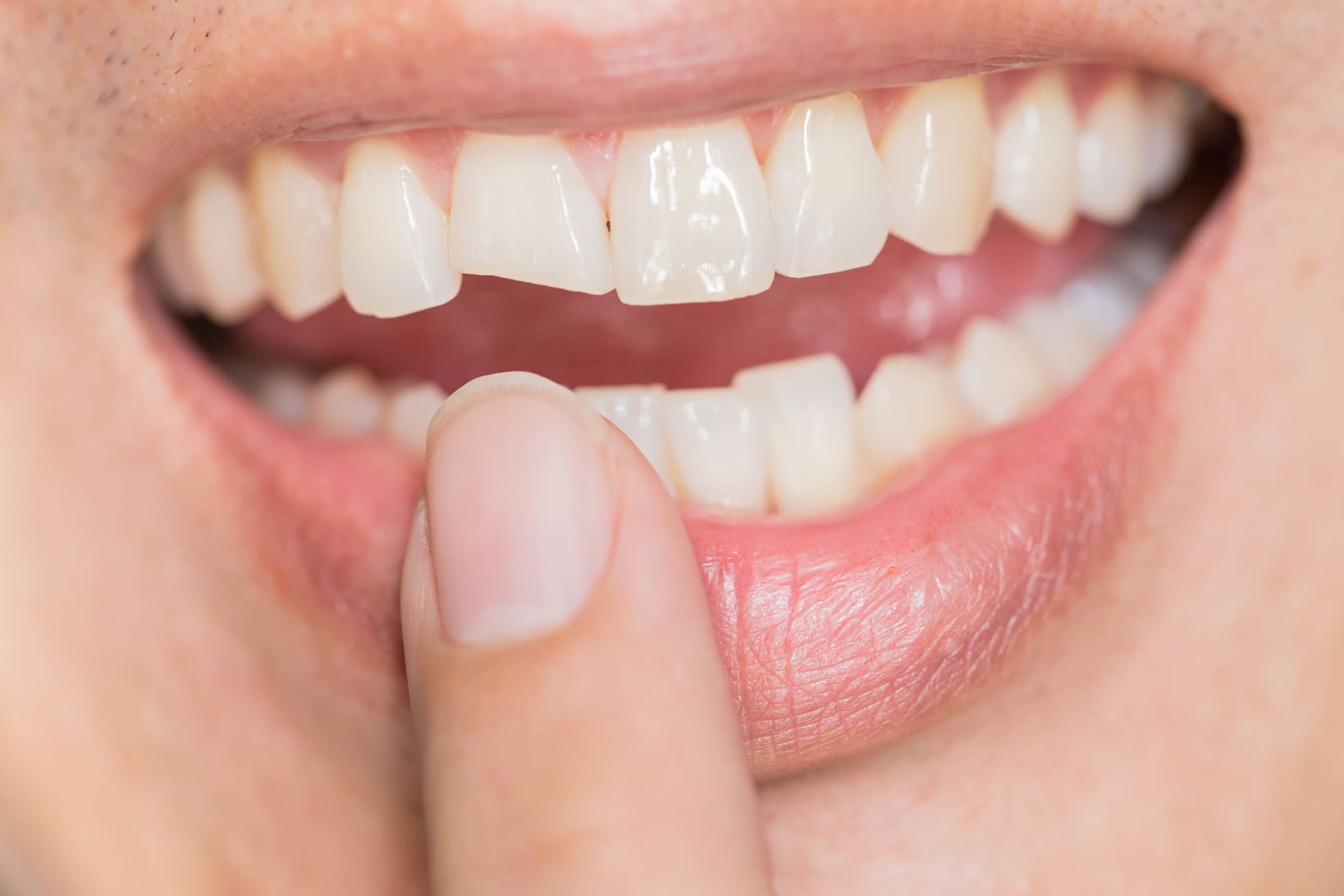
Dental fractures are breaks that occur in the teeth, affecting the enamel and in more severe cases, the dentin and nerve. These fractures can be unsightly and cause tooth sensitivity, so it is crucial to treat them quickly to prevent major problems such as tooth loss.

Common Causes of Dental Fractures

Dental fractures can be caused by:

Dental Trauma

Dental trauma is the most frequent cause of fractures in both children and adults.

Bruxism

The habit of grinding the teeth can cause fractures due to constant pressure.

Demineralization and Caries

Decalcification and untreated tooth decay can weaken teeth, increasing the risk of fractures.

Diagnosis and Treatment

Evaluation and X-Rays

If you suspect a dental fracture, it is crucial to see your dentist immediately for an evaluation and x-rays.

Personalized Treatment

The dentist will determine the most appropriate treatment depending on the severity of the fracture, which may range from simple restorations to endodontic treatment in severe cases.

Recovery and Aftercare

Treatment for dental fractures may require a soft diet and specific care for proper recovery. Maintaining good oral hygiene is essential to avoid complications.

For more information or to schedule an appointment, contact us. We are here to help you restore the health of your teeth.

Frequently Asked Questions

Is breaking an adult tooth really a serious problem?

Yes, breaking an adult tooth is a very serious problem. A broken tooth is a dental emergency that should be examined as soon as possible. Even the smallest break can cause problems with eating, drinking and sometimes even speaking. In addition, a break can allow food and bacteria to become trapped in the area, which can lead to infection. Without treatment, a broken tooth can become unsalvageable. Contact your dentist immediately if you notice a broken tooth.

How can someone break a tooth?

The outermost layer of the tooth, known as enamel, is very strong. But there are several ways a tooth can break. Some breaks occur due to a sudden injury, such as when playing sports or during a fall. Other times, they can break when they are used for things they shouldn't be used for, such as opening a container or chewing ice. Teeth that have been weakened over time by decay are more likely to break during normal eating activities. Weakened teeth can break when eating things like hard candy, potato chips, apples or granola bars.


What if I knock out a tooth, but nothing is broken?

It is possible to hit your teeth on something without breaking anything, but that doesn't mean there are no problems. Even so, it is possible to damage a tooth without being able to see it with the naked eye. This type of damage is often called a tooth fracture. Some cracks may be superficial, but others may extend throughout the tooth. These cracks weaken the tooth and make it more prone to breaking or crushing during normal activities. It is important to visit your dentist to have the tooth evaluated for damage.

What are some of the symptoms or signs that I have fractured or broken a tooth?”

The most obvious sign of a cracked or broken tooth is a physical change - it's shocking to look in the mirror and find a partial smile when you look at it! Other signs and symptoms that are not so obvious include:

  • Facial swelling, especially if it includes the cheek, gums or jawline.
  • Sharp pain when biting or other pressure is applied to the teeth.
  • Blood or other discharge around the base of a tooth near the gum line.
  • Pain when drinking hot or cold beverages.
  • Acute pain that comes and goes, usually dissipates quickly.

Our Specialists