


Complete the form and one of our assistants will contact you to coordinate your appointment at our medical center.
At Tropicana Medical Center we offer a comprehensive cardiology service, combining professional experience and state-of-the-art technology to take care of your cardiovascular health. Our team performs consultations with electrocardiograms, stress tests, echocardiograms, stress echo, preoperative assessments, MAPA and internal medicine consultations, always with a personalized approach and focused on the patient's well-being.
Trust us to keep your heart healthy and prevent risks.
Contact us today and schedule your appointment with our cardiologists in Alajuela.
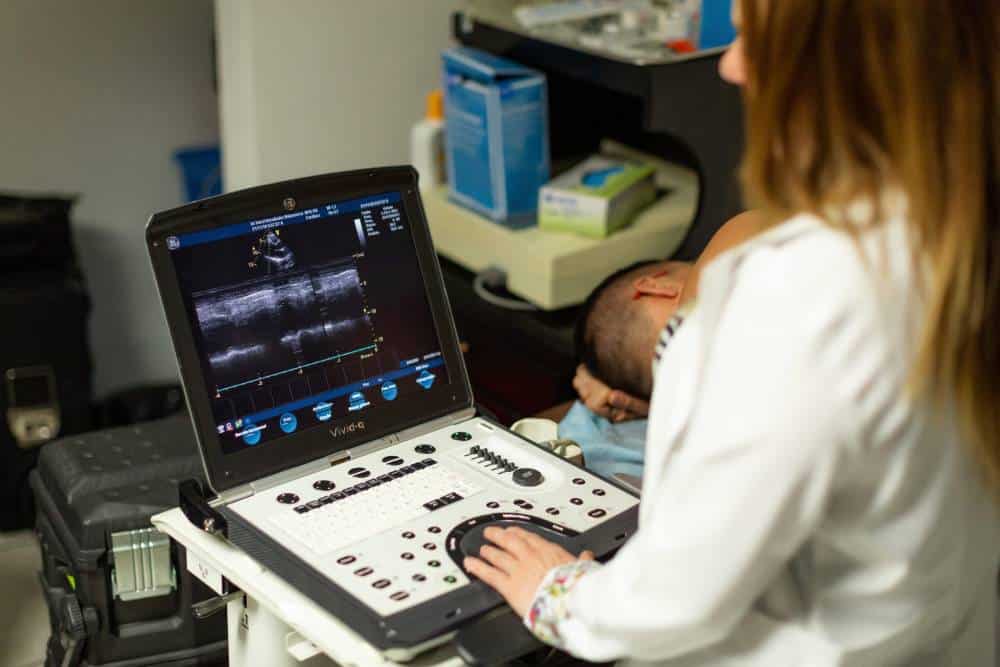
A cardiologist is a physician who specializes in the diagnosis and treatment of diseases or disorders of the heart and blood vessels. He or she is trained in the diagnosis and treatment of conditions such as heart disease, heart attacks, heart failure, arrhythmias and hypertension.
Whenever you have a significant cardiac or related condition, you may require the care of a cardiologist. Their skills and training are necessary to make decisions about cardiac catheterization, balloon angioplasty, cardiac surgery and other procedures. Your cardiologist will review your medical history and perform a physical examination that may include measuring your blood pressure, weight, heart, lungs and blood vessels. While some problems can be diagnosed from this exam, your cardiologist may perform other tests such as an electrocardiogram, echocardiogram, mapping, among others.
Cardiovascular disease refers to a number of problems related to the heart. Some examples of conditions that fall under the category of cardiovascular disease are described below.
Cardiovascular disease can have several causes, but the most common is genetic. People whose parents had heart problems are much more likely to also suffer from some form of cardiovascular disease. In addition, poor diet, overweight and smoking can lead to cardiovascular disease.
Yes! While some forms of cardiovascular disease are inevitable, there are ways to prevent problems from developing in the first place. Here are some prevention tips recommended by specialists.
Yes, there are many risk factors that influence whether or not cardiovascular disease is diagnosed. Below are some of the characteristics that increase the risk of developing them.