Tropicana Favicon

Schedule an appointment

Complete the form and one of our assistants will contact you to coordinate your appointment at our medical center.


Sedation

Types of sedation in dentistry:

  • Oral Conscious Sedation: This type of sedation is accomplished without any needles. Instead, you simply take a prescribed dose of medication about an hour before your appointment. A number of specially developed oral agents are safe and have been used for dental procedures for decades.
  • Nitrous oxide sedation: consists of administering a mixture of nitrous oxide medical gas and oxygen, which relaxes the patient during the procedure. The patient is awake at all times, but more relaxed.
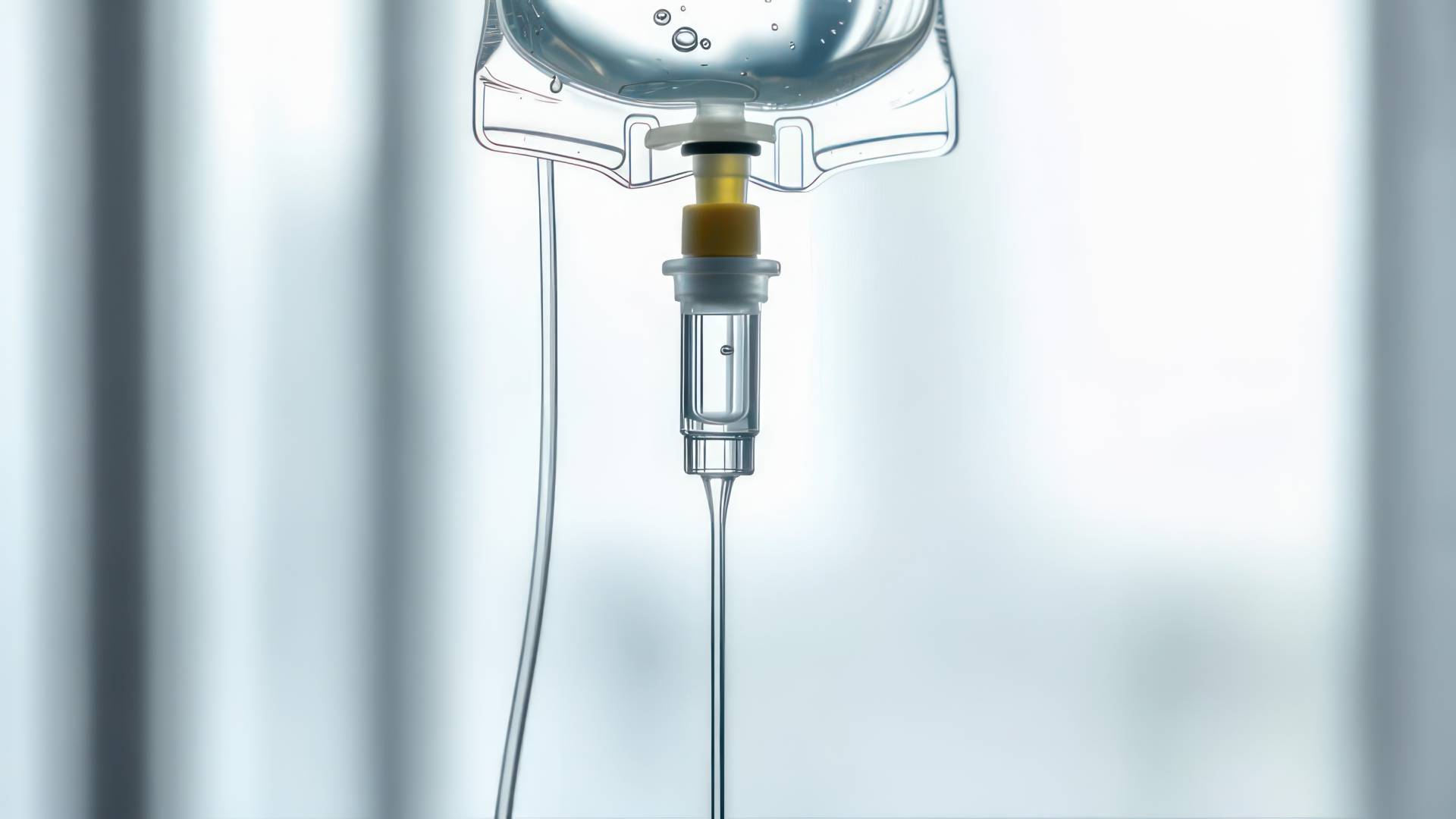
  • Intravenous sedation: The patient receives the sedative medication through a vein, which takes effect quickly. This option for sedation also gives our dentist the ability to adjust the dosage if necessary.

Advantages of Sedation

Here are some advantages associated with sedation dentistry:

  • Anxiety is relieved
  • Few side effects
  • More can be achieved during each visit
  • No needles
  • Painless
  • Perfectly safe
  • Procedures appear to take less time

Most drugs used in sedation dentistry are classified as benzodiazepines. Benzodiazepines reduce anxiety, muscle spasms, insomnia and seizures. Each drug has a different half-life, which means that its effects last longer or shorter. The estimated duration of the procedure determines which type of drug will be most effective.

These are some of the most commonly used drugs in oral conscious sedation:

  • Midazolam or dormicum, which is a benzodiazepine.
  • Fentanyl or morphine, which are opiates, depending on the duration of the procedure.
  • Propofol, an intravenous anesthetic, which is used both for sedation and as a component of general anesthesia or TIVA.

For more information or to schedule an appointment, contact us. We are here to take care of your oral health!

Frequently Asked Questions

What is conscious sedation dentistry?

Conscious sedation allows you to receive dental treatment without worrying about anxiety or experiencing pain. You will receive a relaxing and analgesic medication to keep you comfortable while receiving your dental treatment.

Conscious sedation is always supervised by an anesthesiologist and consists of administering intravenously a sedative with different drugs and anesthesia, to provide bodily and mental comfort to the person who will receive dental treatment. The doctor, in addition to administering the drugs, monitors the patient's pulse, oxygen level and well-being at all times.


How does conscious sedation in dentistry work?

Another frequently asked question about conscious sedation concerns how it works. Conscious sedation in dentistry involves the administration of sedatives to help you feel relaxed and calm during your dental treatment. The most common methods include oral sedatives and intravenous sedatives. Each has its own characteristics and benefits, but all are designed to help you feel more comfortable during your dental treatment.

Will conscious sedation put me to sleep?

As it is a moderate sedation (conscious), you will be able to respond to verbal and tactile stimuli and even obey orders and talk. You will have the false sensation of being awake, but if left alone, the patient will fall asleep.

Will I feel pain when I am under conscious sedation?

Conscious sedation not only helps you feel relaxed, but can also eliminate any pain you may experience during your dental treatment. Your dentist will also administer local anesthesia (of which you will have no memory or pain) to make sure you are as comfortable as possible during dental treatment and have the entire area to be operated on numb. You will also receive intravenous painkillers, so that after the anesthesia wears off, you will have no pain either.

Is conscious sedation dentistry safe?

Yes, conscious sedation in dentistry is safe when performed under the supervision of a trained medical professional, such as an anesthesiologist. With today's drugs, monitoring equipment and professional expertise, conscious sedation is extremely safe. The possibility of major complications is extremely low.

Are there any side effects?

Most people do not experience serious side effects after conscious sedation dentistry. Some people may experience dry mouth or feel drowsy for a short period of time after the procedure, but these effects usually disappear quickly. In less than 5% of cases patients experience nausea and vomiting. Cardiac or respiratory problems are extremely rare.

Will I remember the dental procedure?

Depending on the level of sedation your anesthesiologist gives you, you may not remember much about the dental procedure after it is over. Some forms of conscious sedation may cause you to have blurred or fragmented memories of the experience, while others may cause you to remember nothing at all.

How will I feel after the dental procedure?

After the procedure, you may feel a little drowsy due to the effects of the sedation. It is important to have someone to drive you home after your appointment, especially if you have received a deeper form of sedation.

Our Specialists