Tropicana Favicon

Schedule an appointment

Complete the form and one of our assistants will contact you to coordinate your appointment at our medical center.


Nerve treatments

What is a Nerve Treatment?

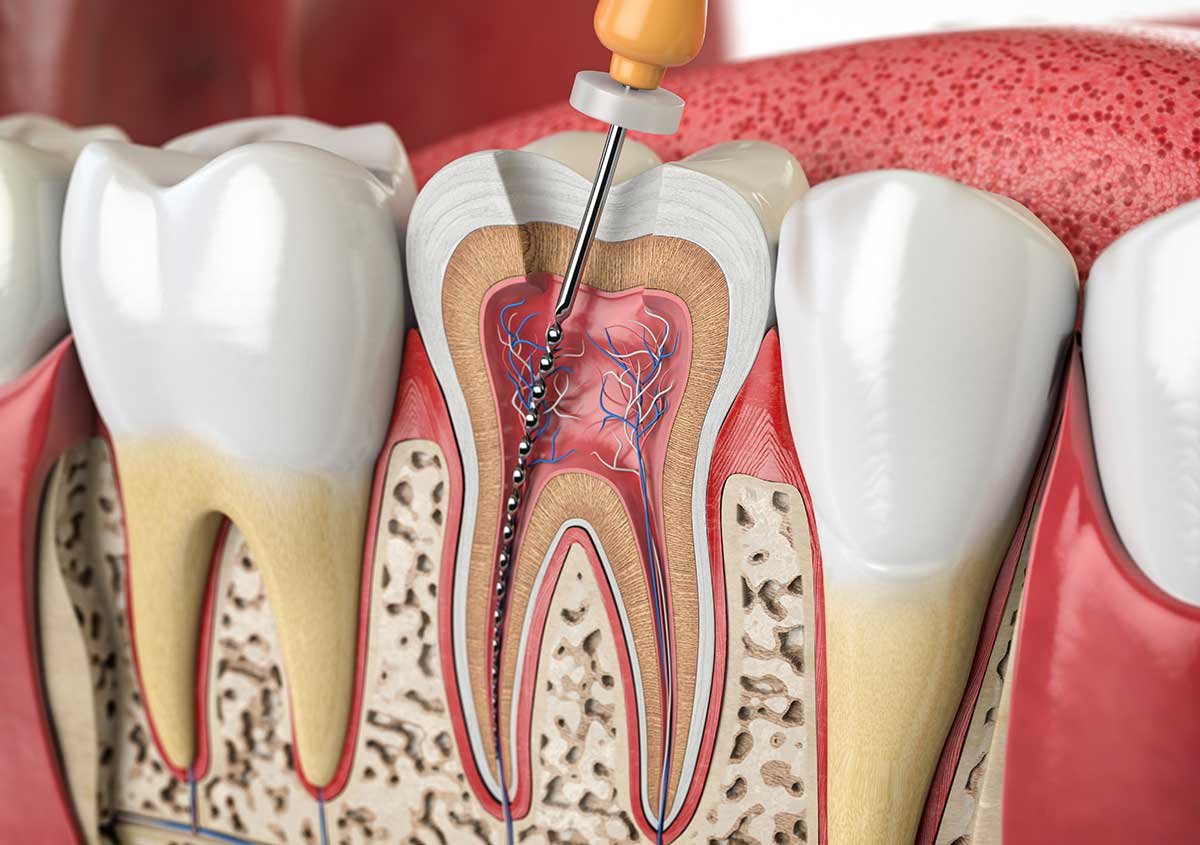
A root canal is performed when there is an infection affecting the nerve in the root of a tooth. It is an effective solution to stop decay and infection, thus avoiding tooth extraction.

Nerve Treatment Procedure

Nerve treatment involves the removal of the inflamed or infected pulp from inside the tooth, followed by thorough cleaning and disinfection before sealing.

Benefits and Postoperative

Treatment Benefits

This procedure is designed to remove bacteria from the root canal, prevent reinfection and preserve the natural tooth.

Postoperative and Recovery

Although you are likely to experience numbness for a few hours after treatment, most patients are able to return to normal activities shortly thereafter.

Do you need a Nerve Treatment?

If you experience persistent dental pain or suspect you need nerve treatment, do not hesitate to contact us for a complete evaluation and personalized treatment.

For more information or to schedule an appointment, contact us. We are here to take care of your oral health and provide you with the care you need.

Frequently Asked Questions

What is a nerve treatment?

This is the first question many patients ask. A nerve or root canal is a treatment in which the dentist opens the infected or decayed tooth and removes the pulp. He or she then thoroughly cleans and disinfects the inside of the tooth and the root canal system. The dentist then fills the tooth and reseals it. Depending on the strength and location of the tooth, a crown or other form of protection may also be placed.

What are the chances of a successful nerve treatment?

Most nerve treatments are successful and provide the patient with relief from pain and infection. More than 95 % of these nerve treatments are effective and save the natural tooth.

What is an endodontist?

An endodontist is a dentist who specializes in endodontic treatments such as root canals. In addition to obtaining a general dentist's license, an endodontist also completes an additional two-plus year specialized training program and certification.

Are root canals painful?

For some reason, root canals have received an unfair and undeserved reputation for causing pain. In fact, most patients find that the discomfort is similar to a routine cavity filling. Endodontists are experts at relieving pain. In fact, once the healing process is complete, most patients return to a life without the pain that led them to receive a root canal in the first place. Patients usually begin to feel relief of sensation within 24 to 48 hours after a nerve treatment.


Why do people need nerve treatments?

If someone needs nerve treatment, the affected tooth is deeply damaged. Severe decay and cavities extend deep into the inner layers of the tooth or infection or inflammation reached the nerves within the pulp of the tooth and the tooth is cracked, deeply fractured or broken.

How do I know if I need nerve treatment?

Below are some possible signs that you may need a root canal:

  • Swelling and tenderness of the gums near a specific tooth.
  • Intense pain or toothache when biting or chewing.
  • A recurrent pimple on the gums near the tooth.
  • Persistent sensitivity to hot or cold temperatures.
  • Tooth discoloration.
How long does it take to feel normal after nerve treatment?

After nerve treatment, most patients feel mild discomfort or tenderness as it heals. Taking an anti-inflammatory pain reliever such as ibuprofen usually helps. Sometimes, a patient also needs a crown or other form of restoration. If this happens, the healing process will be completed after treatment is completed.

What happens during an endodontic procedure?

A dentist or endodontist will make a small opening in the tooth to access the inner pulp. Next, the dental professional will remove all of the affected pulp and tissue and then thoroughly clean and disinfect the inside of the tooth. Next, your endodontist will use special dental grade material to fill the tooth and then seal it. You will then receive a filling to seal the hole.

Our Specialists