Tropicana Favicon

Schedule an appointment

Complete the form and one of our assistants will contact you to coordinate your appointment at our medical center.


Resin veneers

Achieve a perfect smile with resin veneers

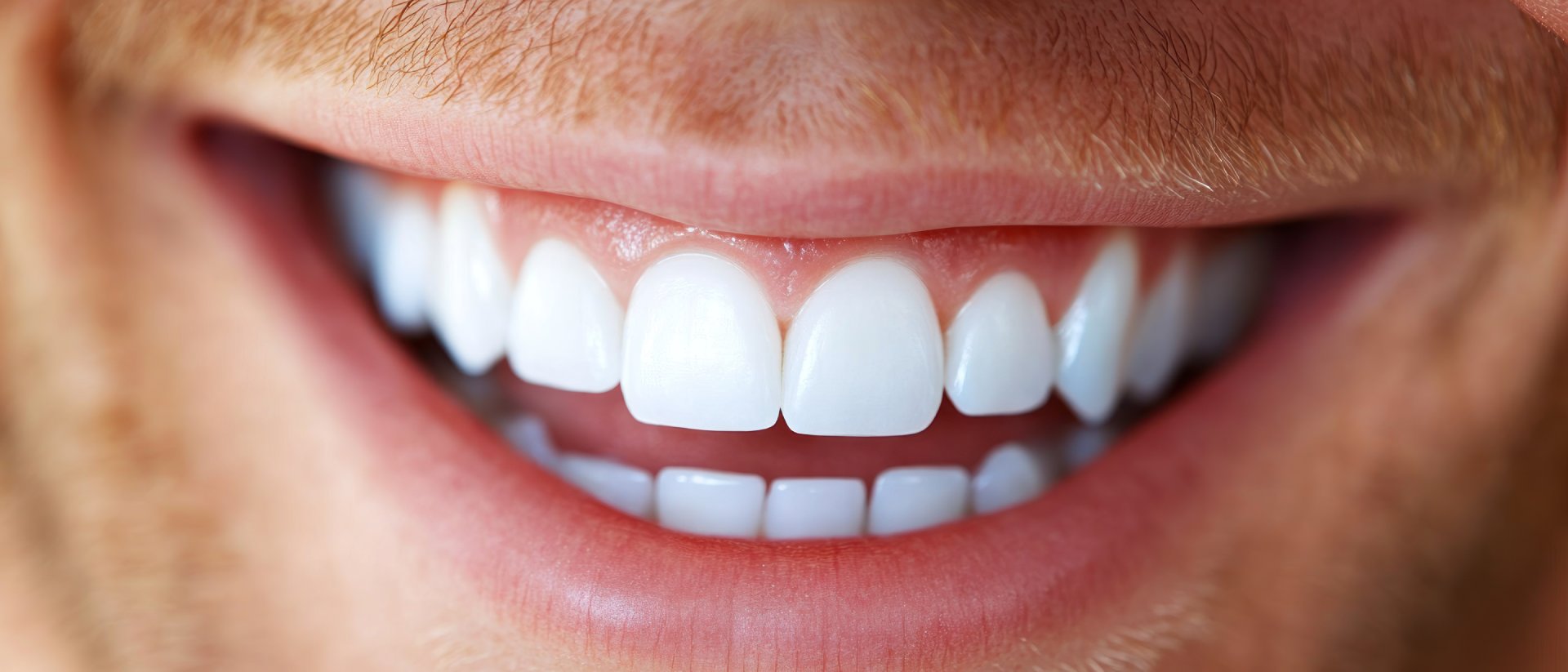
Resin veneer placement is a cosmetic dental procedure that involves applying a tooth-colored resin material to the surface of the teeth and then using a special light to harden and bond the material. This versatile technique can effectively repair chipped, cracked or discolored teeth, as well as close small gaps and reshape uneven teeth. Resins are a cost-effective and minimally invasive option, often requiring little or no enamel removal.

Benefits of resin veneers

It provides a relatively quick solution to improve the appearance of teeth, enhance smiles and increase self-confidence with natural-looking results. The process involves preparing the tooth by roughening its surface and applying a conditioning liquid to improve adhesion. The resin is then meticulously shaped and molded onto the tooth, after which a special light is used to harden and bond the material. Dental bonding can effectively repair chipped, cracked or discolored teeth, close gaps and modify tooth shape. It is a relatively quick and cost-effective solution that requires minimal enamel removal. With dental bonding, patients can achieve natural-looking, seamless results, improving their smiles and restoring their self-confidence.

Frequently Asked Questions

What are dental resin veneers?

They are thin composite veneers, 0.3 to 0.9 mm thick, which are placed directly on the front of the front teeth of the mouth, those that are most visible when a person smiles. Resin dental veneers are, as the name suggests, made of a biocompatible composite called resin composite. This material is very elastic, which allows it to be worked directly on the tooth surface, molding it to each piece and surrounding the gum.

What are the advantages and disadvantages?

Dental veneers, in general, offer the patient a quick and effective solution to the imperfections of the teeth. It is characterized for being a minimally invasive aesthetic treatment, since it does not damage the tooth for its placement.

Advantages:

  • Its main benefit is that it gives a natural and beautiful appearance to the smile.
  • It is a faster procedure than other types of veneers, because the dentist can perform them in a single session.
  • It is also possible to repair veneers in the same dental office, without the need to send them to a laboratory.
  • They cost significantly less than porcelain veneers.
  • They are less aggressive, because the grinding performed on the tooth is very minimal, preserving the tooth enamel almost intact.

Disadvantages:

  • Composite veneers last less than porcelain veneers.
  • As time goes by, this material loses its brightness and may even darken. If the patient is a smoker or drinks a lot of wine and/or coffee, it is possible that the veneers may stain in a short time or stains may appear.
  • They are also not recommended for patients suffering from bruxism or nail biting, since composite is less resistant than porcelain.
What dental problems are resin veneers used for?

Dental veneers are a primarily cosmetic treatment, which will help you improve the appearance of your teeth and smile. It is not a solution to dental health problems.

How long do resin veneers last?

The duration of resin veneers is relative and depends a lot on the patient's care. First of all, it is essential to maintain good oral hygiene. Do not chew very hard foods that can damage or wear them. It is also not recommended to consume sticky foods such as chewing gum or gum. Cigarettes, wine and coffee are the main enemies of this type of veneers, because they cause stains on their surface. Do not bite your nails, and if you have bruxism, use a night splint to avoid damaging the dental veneers. If you comply with these recommendations, the resin veneers could last from 5 to 7 years. After that time, the dentist can touch them up or change them, according to their condition.


Our Specialists