Tropicana Favicon

Schedule an appointment

Complete the form and one of our assistants will contact you to coordinate your appointment at our medical center.


Deep dental cleaning

Invest in your health with professional dental cleanings.

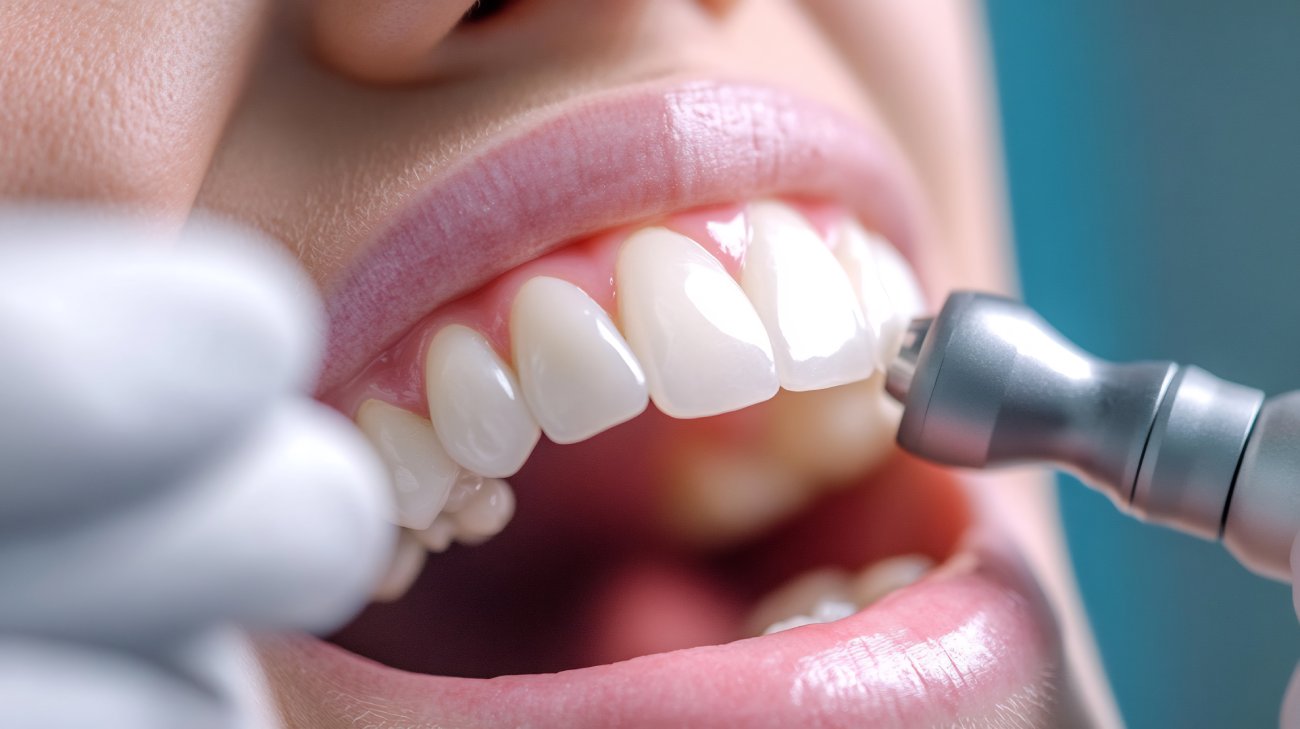
Dental cleanings, or prophylaxis appointments, are crucial to maintaining oral health. Cleanings remove plaque and tartar, preventing their harmful effects on teeth and gums. Cleanings also help prevent gum disease by removing associated bacteria and toxins. In addition, they help in the early detection of oral health problems and in combating bad breath. Dental cleanings are beneficial to overall health and help improve cardiovascular disease and diabetes.

Frequency of Dental Cleanings

How often should I have my teeth cleaned?

The frequency of dental cleanings can vary depending on individual needs and oral health conditions. In general, most people are recommended to have their teeth professionally cleaned every six months. However, some people may need more frequent cleanings, such as every three to four months.

Personalized evaluation of your oral health

Your dentist or dental hygienist will evaluate your specific oral health status, including factors such as plaque buildup, gum health and risk of periodontal disease. Based on this evaluation, they will recommend a cleaning schedule that is right for you. It is important to follow their recommendations to maintain optimal oral health.

For more information or to schedule an appointment, please contact contact us at. We are here to serve you!

Frequently Asked Questions

What is a deep dental cleaning?

A deep dental cleaning is more intensive than normal brushing and flossing. This type of cleaning consists of removing tartar, bacteria and all other harmful debris from the patient's teeth and gums. These harmful elements cannot be removed by normal brushing and flossing alone. When left unattended, tartar builds up and creates an environment for more bacteria. These bacteria cause serious oral health problems.

What happens during dental cleanings?

The first thing the dentist will do is look at the condition of your teeth and gums and check for any problems. He or she will then use special dental tools to clean and polish the teeth. Regular dental cleanings remove food debris and plaque. However, when a patient has tartar around the teeth, they may need a more thorough dental cleaning, which is performed with a scaling and root planing dental tool.

How often should I visit the dentist for a dental cleaning?

The American Dental Association (ADA) recommends that patients visit their dentist at least once a year for a dental cleaning. However, patients with a history of periodontal disease or other risk factors such as diabetes, smoking or cardiovascular disease should visit their dentist for routine dental exams and cleanings more frequently, at least every six months.

Do gums bleed after a dental cleaning?
It is normal for the gums to bleed slightly during or after a dental cleaning, especially if there is inflammation or plaque and tartar buildup. This bleeding is usually temporary and improves as the gums become less swollen. Maintaining good oral hygiene and following the dentist's recommendations will help the bleeding go away within a few days. If the bleeding is abundant or persists, the ideal is to consult your dentist for an evaluation.
After how long does the plaque reappear?

Although a dental cleaning completely removes plaque, plaque begins to recolonize in the mouth within a day or two. Although brushing and flossing are good home dental care practices, plaque reformation after a period of six months is inevitable. The longer a patient goes without a dental cleaning, the more plaque calcifies on the teeth. Once calcified, it cannot be removed by brushing and flossing. Patients who have their teeth cleaned every six months are less likely to acquire significant plaque and tartar buildup that can affect their oral health.


Is now a good time for your dental cleaning?

Even if it has been a while since you last visited your dentist for a dental cleaning, now is a good time to resume your visits. To schedule a dental cleaning with a professional dentist, contact us today.

Our Specialists